News
OpenAI tests Sponsored Agents as a new ChatGPT ad format
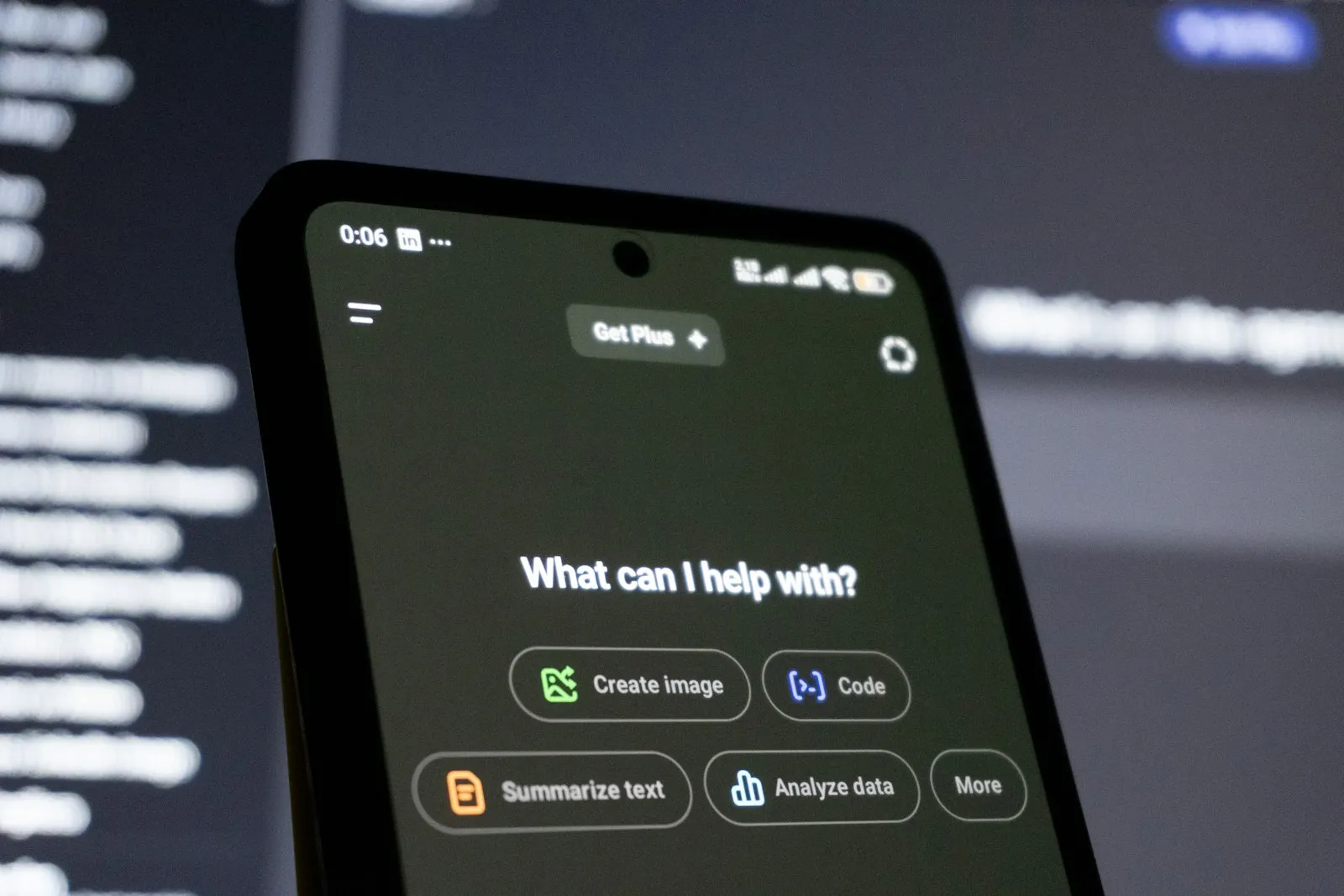
OpenAI is testing Sponsored Agents: labeled conversations with a business agent that users start after clicking a ChatGPT ad, with select US advertisers.
AI search describes search surfaces that answer a query directly with generated text and cite a small set of sources, rather than returning a list of links. Visibility in these surfaces depends on whether a page states an extractable answer, supports it with verifiable citations, and is reachable by the crawlers each system uses.
Reference: en.wikipedia.org
OpenAI is testing Sponsored Agents: labeled conversations with a business agent that users start after clicking a ChatGPT ad, with select US advertisers.
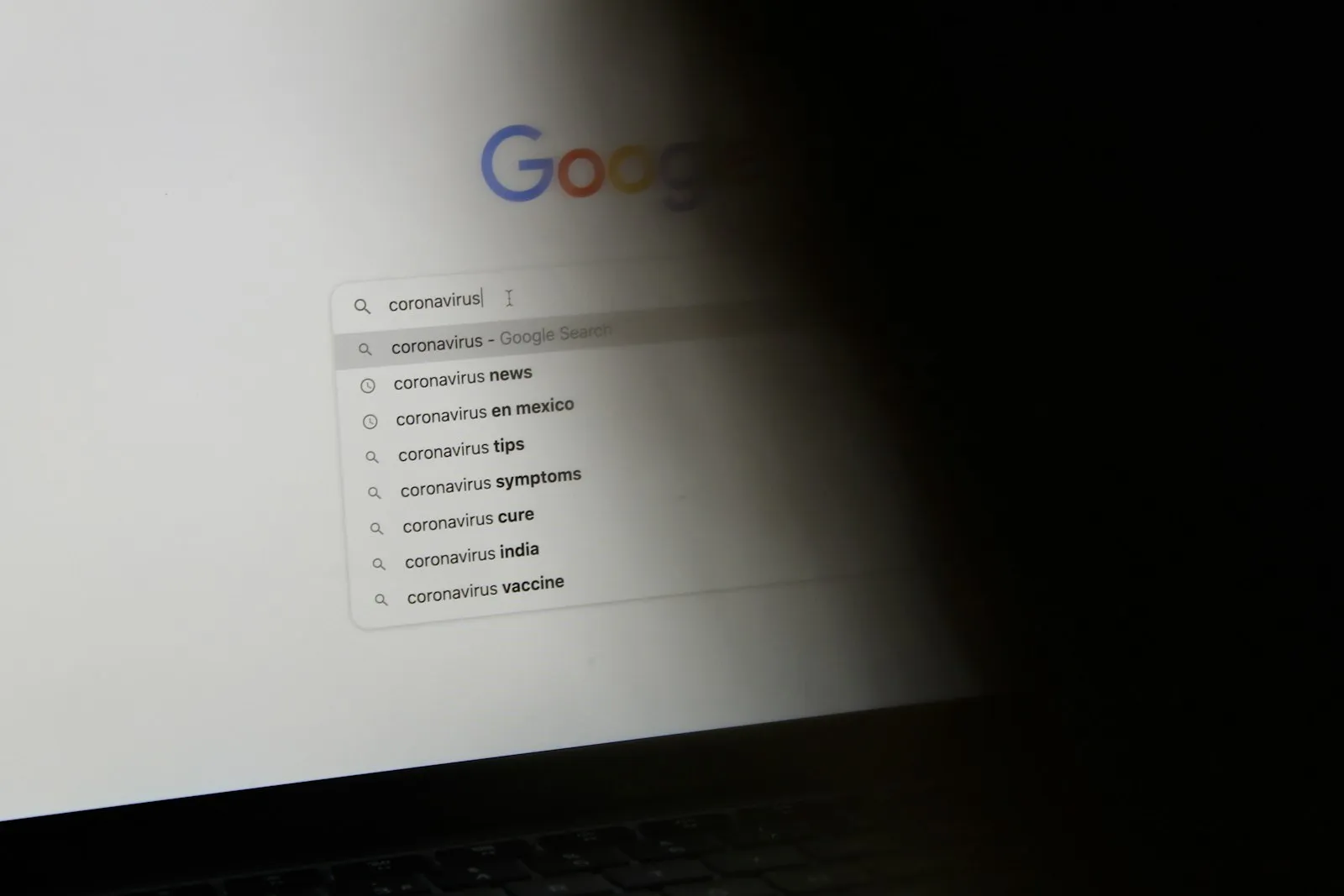
Google is testing an AI Mode button in the search bar on results pages, not only the home page. The button is inconsistent and regular search still works.
Cloudflare reports AI training made up 52% of identified crawler requests in June 2026, up from 22% in Spring 2025, with search crawling shrinking.
Datos and SparkToro's Q4 2025 clickstream shows 24.5% of US desktop Google searches ended with no click in December, versus 25.1% a year earlier.
EZY Research's 12-week server-log panel shows OpenAI and Anthropic crawlers fetching llms.txt in single digits while pulling robots.txt thousands of times.
Ahrefs correlated 12 metrics with brand mentions in ChatGPT, AI Mode and AI Overviews: web mentions beat backlinks, and it warns of no causation.
Ahrefs compared the age of 16.975 million URLs cited by AI assistants against organic Google results. Here is the method, the numbers and the limits.
A logging error cut reported impressions in Search Console's Generative AI report from August 13, 2026, Google says, with no real drop in visibility.
BrightEdge's own year-long tracking: only 17% of AI Overview citations also rank in the organic top 10, flat since last year, with wide swings by industry.
Similarweb measured 770.7 million monthly AI referral visits worldwide, up 117.4% year over year, led by marketplaces and news.
A randomized Chrome-extension experiment hid AI Overviews for 1,065 searchers. This piece analyzes Agarwal and Sen's SSRN study of the CTR impact.
We read the robots.txt of 60 publishers and SEO vendors. News sites block AI crawlers almost universally. The SEO industry does not.
Only 14 of 60 major sites serve an llms.txt. Half of them sell SEO or hosting software. One is a news publisher. The file has an audience problem.
AI Performance in Bing Webmaster Tools counts citations in Copilot and AI answers, names the cited URLs, and shows the queries behind them.
Google added a generative AI performance report to Search Console, showing how often your pages surfaced inside AI Overviews, AI Mode and Discover.
Score an article on the structural properties that decide whether an answer engine can extract, quote and attribute it.
Decide which AI crawlers may take your content, see what each one actually does, and generate both files from that one decision.
Google confirmed on 4 September 2026 that exact and phrase match keywords can serve text ads in AI Mode, once reserved for AI Max and Performance Max.
97% of published llms.txt files get zero AI-bot requests. A 10-site traffic test found no effect in 8 cases. The one positive figure has its own confound.
Google confirmed on 28 August 2026 that AI Overviews can dynamically expand into a full, detailed answer for some queries, dropping the Show more control.
Wix Studio's AI Search Lab found articles win informational queries 2.7x more, and listicles and product pages win commercial and transactional ones.
Chegg, Business Insider and HubSpot all show real, checkable declines. A widely repeated CNN figure does not survive a source check.
OpenAI added beta conversion bidding, dynamic URL macros and a multi-product carousel to ChatGPT Ads product feed campaigns on August 7, 2026.
Ahrefs analyzed 300,000 keywords via Google Search Console and found AI Overviews now cut position-1 organic CTR by 58%, up from 34.5% a year earlier.
SparkToro and Similarweb's June 2026 report puts US Google zero-click search at 68.01%, up from 60.45% in 2024.
GPTZero, the Tow Center and a Cureus study each measured AI citation hallucination differently, and none of their numbers agree with each other.
Four 2026 papers measured what predicts citation by AI search engines. Position and relevance win; most citations skip brand domains entirely.
StatCounter, Similarweb, Sensor Tower and OpenAI itself all published a 2026 ChatGPT usage figure. None of the four is measuring the same thing.
Three trackers measured 2026 organic CTR by position and reported position 1 anywhere from 27.6% to 39.8%, because none used the same method.
Five independent trackers measured llms.txt adoption in 2026 and reported numbers from 7.4% to 28%, because none counted the same thing.
Semrush's own tracking: 6.49% of keywords in January 2025, a July peak near 24.61%, then 15.69% in November - the real trend, not a snapshot.
Google's own dated numbers: 12 billion Lens searches a month in June 2023, nearly 20 billion by October 2024 - and why the 22%/26% claims don't check out.
Ahead of its French launch, Google told publishers it would offer an opt-out, separate AI traffic reporting, and neighboring-rights compensation.
AI-powered configuration turns a natural-language request into Search Console filters, comparisons and metric choices, no manual setup required.
Cloudflare's CEO says automated requests for HTML pages now outnumber human ones, 18 months ahead of his own forecast.
A W3C tracking issue on llms.txt and an unrelated IETF working group on robots.txt-adjacent AI signals are getting blended into one false headline.
A study joining licensing-deal records to 129.3 million AI citations finds a ChatGPT premium for OpenAI partners, but no matching edge on Google.
The IETF's AI Preferences group is standardizing AI training and search signals that extend robots.txt. Still an Internet-Draft, not a shipped standard.
Live HTTP data from Cloudflare's network shows AI crawler 403 rates rising through 2026, distinct from counting robots.txt disallow rules.
Five precise stats on AI citation rates by content format circulate online. Two trace to real studies. Three do not survive verification.
Schema.org's own numbers, Google's AI documentation and Bing's public statements, separated from unverified SEO claims.
Google added Gemini 3.7 Flash to AI Mode's model picker on 14 August 2026, limited to AI Pro and Ultra subscribers, one day after the model shipped.
Studies put the AI Overview traffic hit from 24% to 80%. We traced seven quoted figures to source; four hold up, and they measure different things.
A new Merchant Center report benchmarks brand visibility on AI Mode, AI Overviews and Gemini, plus shopping funnel and attribute-gap data.
Ahrefs data shows top-10 pages went from 76% to 38% of AI Overview citations in eight months. Ranking well no longer guarantees a citation.
Penske Media sued Google over AI Overviews in 2025. The dated record: the complaint, Google's dismissal motion, Penske's opposition, and an EU complaint.
Google added more than 35 languages and 40 countries to AI Mode, including its first EU markets: Germany, Italy, Spain and Poland.