 Adam Hafez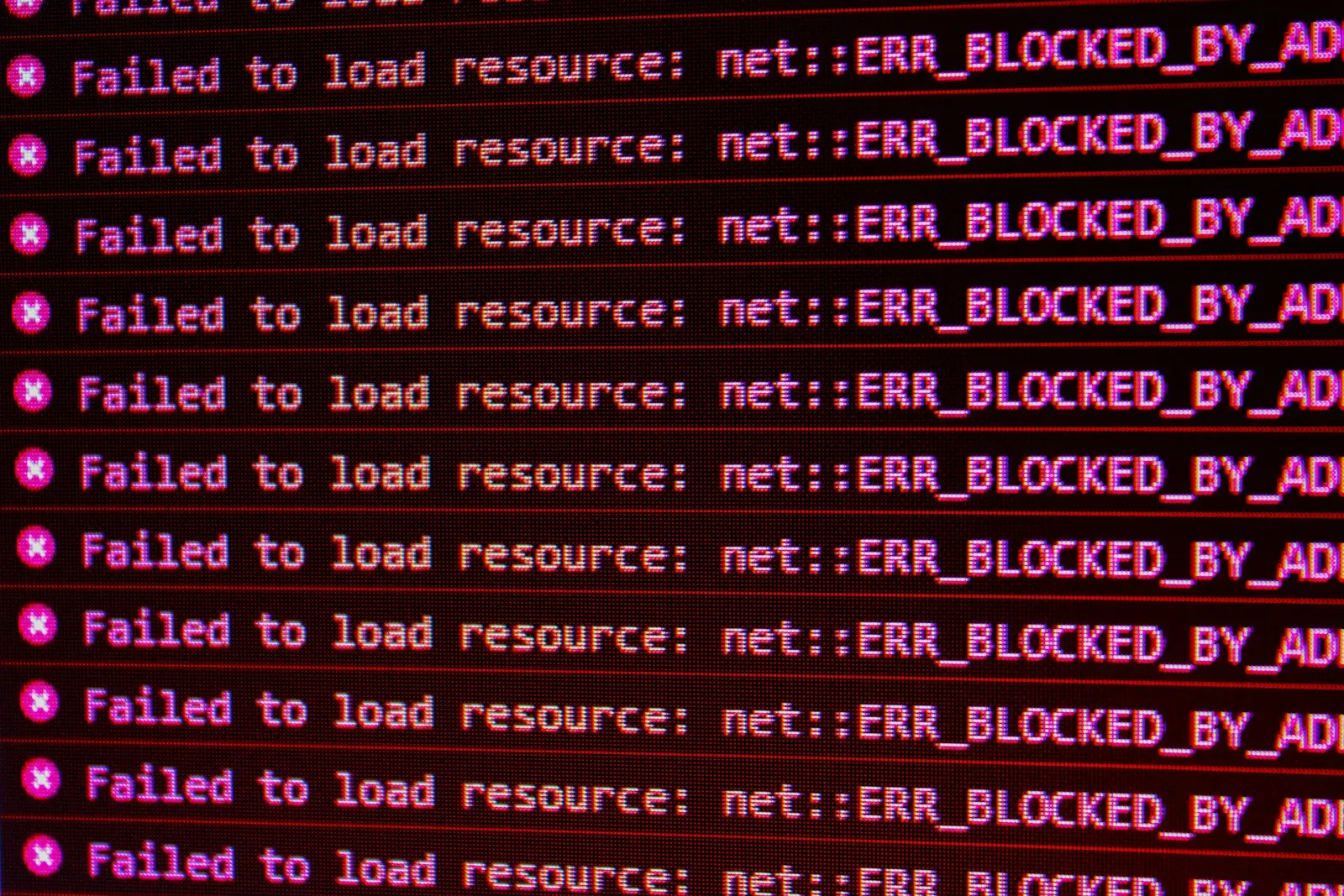
Key takeaways
- Search Engine Roundtable reported that Google appears to be blocking AI scrapers and rank-tracking tools more effectively since around September 13, 2026.
- Nozzle's Derek Perkins said roughly 80 percent of his tool's attempts to pull data from Google Search have been blocked.
- DataForSEO reported similar blocking, while Sistrix said its data collection was running at a reduced rate as of September 16, 2026.
- Ahrefs and Semrush said they were still able to scrape Google Search, though Semrush noted slower results.
- Glenn Gabe and Barry Schwartz both cautioned that the blocking effect is not consistent across tools or confirmed by Google.
Rank-tracking and third-party tracking tools that scrape Google Search results are reporting sharply reduced success since around September 13, 2026, according to Search Engine Roundtable. Nozzle, one of the affected vendors, said roughly 80 percent of its attempts to pull data from Google Search were being blocked. The pattern coincides with Google updates the site tracked on September 4, 12 and 15, though Google has not confirmed any change aimed at scrapers.
What vendors are reporting
Nozzle’s Derek Perkins said the majority of his tool’s attempts to scrape data from Google Search have been blocked, putting the drop at around 80 percent. DataForSEO reported similar blocking. Sistrix posted a status update saying “Google has made further changes to the way search results are delivered” and that its own data collection was running at a reduced rate as of September 16, 2026. Sistrix’s Steve Paine said Google has been changing how it delivers search results for about a year, currently at a very high pace.
Not every vendor reports the same hit. Ahrefs and Semrush both said they were still able to scrape Google Search, with Semrush running slower rather than blocked outright. SEO consultant Glenn Gabe observed that Ahrefs was able to pick up recovery data for sites while Sistrix lagged well behind on the same events, a sign the blocking is not landing the same way across every tool.
How reliable is this signal
Search Engine Roundtable’s Barry Schwartz cautioned that something may be off with the data scraping from these tools rather than assuming Google has deliberately tightened access, and that the vendors reporting drops might simply be wrong about the cause. None of the affected companies have received or shared confirmation from Google about a change targeting scrapers specifically, and the inconsistency between tools such as Ahrefs and Sistrix supports treating this as an observed pattern rather than a confirmed policy shift.
Why we care
Rank trackers, AI search monitoring tools and other third-party scrapers are how much of the industry measures ranking movement and AI Overview presence when Google’s own tools do not cover the same ground. If access to Google Search keeps degrading for these tools, site owners lose a chunk of the visibility data they rely on day to day, and any tool-reported ranking swing needs more scrutiny about whether it reflects real movement or a scraping gap.
The evidence
- Type
- tooling
- Impact
- medium
- Affects
- rank tracking, AI scrapers, SEO tools, data collection
Sources
- 1.Google Seems To Be More Successful At Blocking The AI Scrapers & Tracking Tools - Search Engine Roundtable, September 18, 2026Primary
Frequently asked questions
When did Google's scraper blocking appear to get stronger?
Around September 13, 2026, according to Search Engine Roundtable, coinciding with Google updates the site tracked on September 4, 12 and 15. Vendors reported the effect within days of that window.
How much data did Nozzle lose?
Nozzle's Derek Perkins said roughly 80 percent of his tool's attempts to scrape data from Google Search were being blocked, a figure he reported directly rather than one Google confirmed.
Are all rank-tracking tools affected equally?
No. Sistrix reported a reduced data collection rate, DataForSEO reported blocking similar to Nozzle's, and Ahrefs and Semrush said they were still scraping, Semrush at a slower pace. The effect varies by vendor and is not fully consistent.
About the author

Founder, UpgradIQ FZC LLC
Adam Hafez works on technical SEO and search measurement: how pages get crawled, indexed, ranked and now quoted by answer engines. He founded UpgradIQ, which reads Google Search Console and GA4 to tie ranking movement back to the changes that caused it. He publishes what the data supports and states the limits of it.
- Technical SEO
- Search Console and GA4 measurement
- Answer engine optimization
- Structured data
The briefing
Only what actually changed in search, delivered in full by RSS, Atom or JSON feed.
FollowRelated reading
How five llms.txt trackers reported five different adoption rates
Five independent trackers measured llms.txt adoption in 2026 and reported numbers from 7.4% to 28%, because none counted the same thing.
How three CTR trackers reported three different position-1 rates
Three trackers measured 2026 organic CTR by position and reported position 1 anywhere from 27.6% to 39.8%, because none used the same method.
Bing tests calling its Copilot Search tab AI Mode
Bing is testing an AI Mode label on the search tab normally named Copilot Search, a month after testing Google's AI Overviews name for its answer box.

Bing tests another expandable sitelinks interface
Bing is testing a sitelinks variant that reveals a description under a sitelink only when the cursor hovers over it, per a 24 September 2026 report.