 Adam Hafez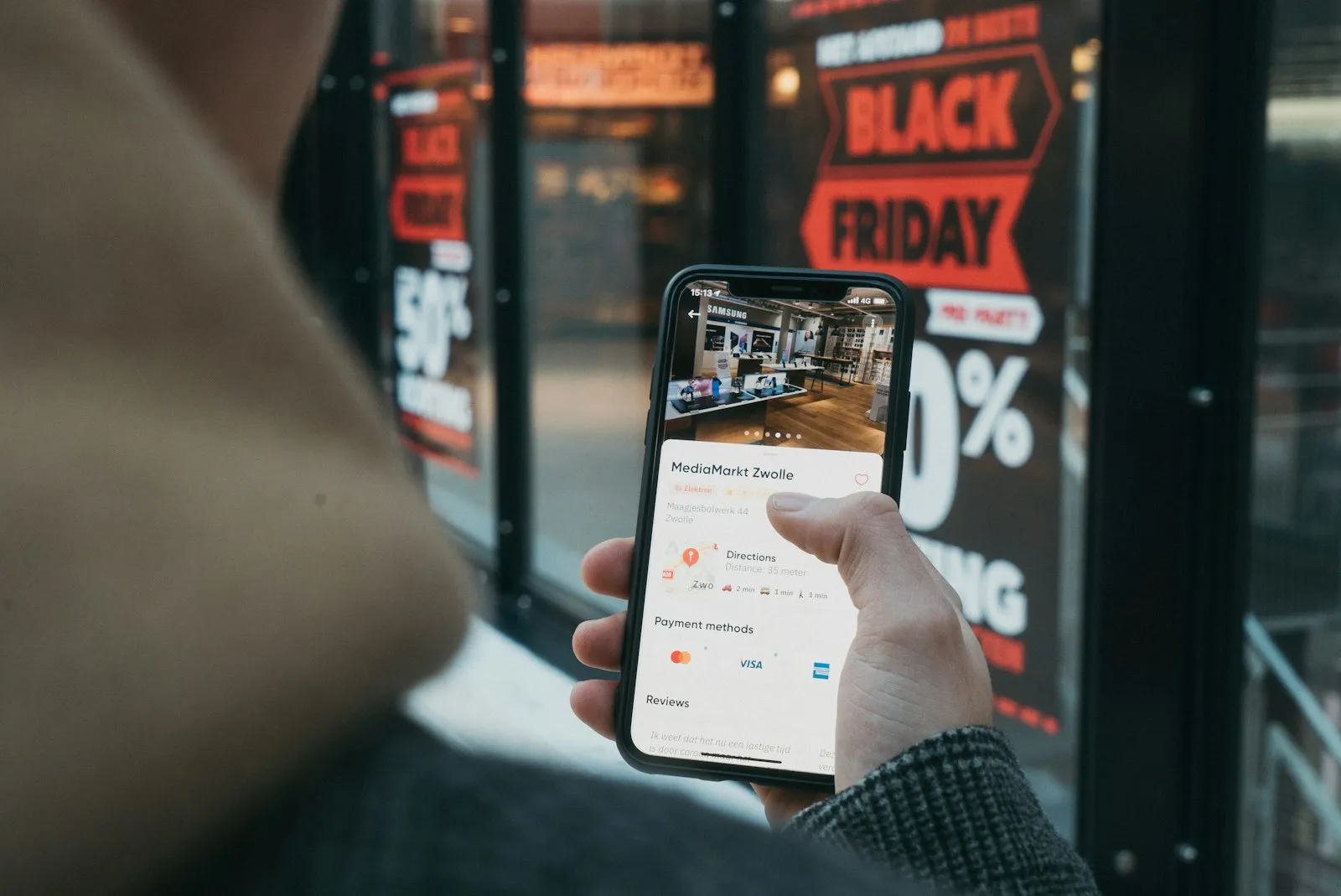
Key takeaways
- Google is auto-enabling native checkout for eligible products, so merchants have nothing to set up before it goes live.
- The checkout runs on the Universal Commerce Protocol, which launched in February 2026 and saw a wider rollout on the Friday before 22 September.
- Shoppers complete purchases inside Google Search AI Mode and Gemini, paying with Google Pay instead of visiting the merchant's site.
- Merchants who want buyers to finish on their own store have to switch native checkout off, since it is on by default.
- The email says merchants keep full ownership of customer relationships, data and sales, a claim this report could not verify beyond the email.
Merchants are receiving emails from Google saying their products are now eligible for native checkout, the feature that lets a shopper buy without leaving Google Search AI Mode or Gemini. The report comes from Search Engine Roundtable, published 22 September 2026, and the wording is Google’s own, quoted from an email a merchant’s agency received.
What is Google turning on?
Native checkout is powered by the Universal Commerce Protocol, or UCP. According to the report, UCP-powered checkout launched in February 2026, with a wider rollout on the Friday before the article. It works on Google Search AI Mode and Gemini, and payment runs through Google Pay.
The email says: “Eligible products are automatically included. There’s nothing for you to set up.” That is the whole change from a merchant’s side: the switch is already on.
Can merchants keep buyers on their own store?
Yes, but the default runs the other way. The email says merchants can turn native checkout off if they would rather have buyers complete their purchases on their online store instead. The instruction quoted in the report is specific to Shopify: turn it off in the Shopify admin under Sales channels > Agentic.
The email was received by Menachem Ani, whose client sells on Shopify. The report says Shopify stores matched to Merchant Center accounts triggered these notifications. It does not describe what merchants on other platforms will see or where they would opt out, so this article does not either.
What does Google say merchants keep?
The email states: “You manage and retain full ownership of your customer relationships, data, and sales.” That is a claim from Google’s message. The report does not detail how customer data, order handling or attribution work in practice, and no Google help page is linked, so those mechanics are unverified here.
For a store owner, the practical step is narrow: check whether the email arrived, confirm whether native checkout is on for the store, and decide deliberately whether AI Mode and Gemini purchases should happen on Google or on the merchant’s own site. Related coverage of the shopping surfaces involved is in the AI search hub.
The evidence
- Type
- tooling
- Impact
- medium
- Affects
- Merchant Center, ecommerce, AI shopping
Sources
- 1.Google is auto-enabling native checkout for Merchant Center merchants - Search Engine Roundtable, September 22, 2026Primary
Frequently asked questions
Do merchants have to opt in to native checkout?
No. According to the email merchants received, eligible products are automatically included and there is nothing to set up. Merchants who prefer buyers to complete purchases on their own store must turn native checkout off.
Where does native checkout appear?
On Google Search AI Mode and in Gemini, using Google Pay, according to the report. It is powered by the Universal Commerce Protocol, which launched in February 2026.
How do Shopify merchants turn it off?
The email received by a Shopify merchant says to turn off native checkout in the Shopify admin under Sales channels, then Agentic. Merchants on other platforms should check their own admin.
About the author

Founder, UpgradIQ FZC LLC
Adam Hafez works on technical SEO and search measurement: how pages get crawled, indexed, ranked and now quoted by answer engines. He founded UpgradIQ, which reads Google Search Console and GA4 to tie ranking movement back to the changes that caused it. He publishes what the data supports and states the limits of it.
- Technical SEO
- Search Console and GA4 measurement
- Answer engine optimization
- Structured data
The briefing
Only what actually changed in search, delivered in full by RSS, Atom or JSON feed.
FollowRelated reading

Report: Google AI Overviews now carry far more external links
Peec AI data says AI Overviews with external links rose from close to 0% to over 25%. Search Engine Roundtable shares it with doubt.

Google tests AI Overview links that lead into AI Mode, not a webpage
Google is testing anchor links inside AI Overviews that look like normal web links but open a follow-up question in AI Mode instead of a website.

Merchant Center documents Store ratings' review and star bar
Google added a requirements section to Merchant Center's Store ratings doc: a 100-review minimum, a 3.5-star floor, a 24-month window, per-country scoring.
Google Web Guide's classic search button doesn't work
A reported bug in Google Web Guide keeps the classic search button from exiting the feature. It reloads Web Guide instead of returning to normal search.