 Adam Hafez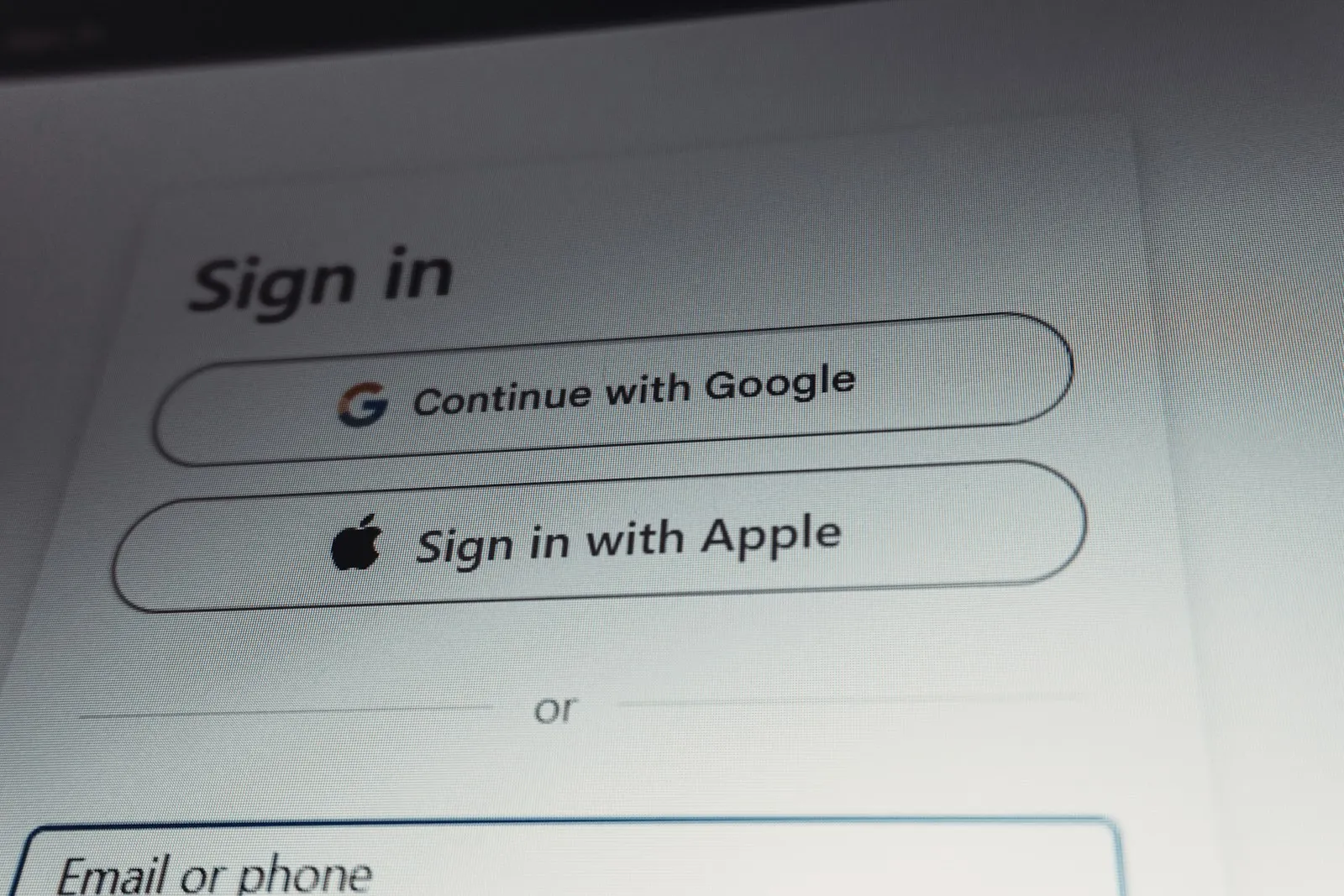
Key takeaways
- Search Engine Roundtable reports that Google Maps now requires a Google account sign-in to see all reviews on a Business Profile listing.
- The same sign-in is required to sort the reviews and to leave a review, among other actions.
- Google's prompt says signing in lets you read and search through every review and photo, save places and get travel times.
- Search Engine Roundtable guesses the change is meant to stop bots, scrapers and AI platforms, but Google has not said so.
- Several people spotted it, including Syed Amir on X and Michael B. Snow and Jean-Sébastien Girard on LinkedIn.
Google Maps now asks visitors to sign in to a Google account to see all the reviews on a Business Profile listing. Barry Schwartz reported it at Search Engine Roundtable on 30 September 2026. The same sign-in is needed to sort the reviews, to leave a review and for more actions.
What does a signed-out user see?
When you click to see more reviews or to sort them, a prompt appears that begins “Sign-in to get the best of Google Maps”. It lists three benefits:
- Reviews and photos: read and search through every review and photo.
- Saved places: keep track of your favorites with lists you can share.
- Personalized travel: get instant travel times to frequent places like home and work.
Schwartz shared a GIF of the prompt appearing.
Who spotted the change?
Several people saw it, including Syed Amir on X and Michael B. Snow and Jean-Sébastien Girard on LinkedIn. The report gives no rollout scope or start date, and it does not say what a signed-out visitor can still see before the prompt.
Why would Google require sign-in?
Google has not said. Schwartz assumes the aim is to stop AI, bots and third parties from scraping reviews, and he repeats that guess twice. It is his inference. A similar pattern appeared on Search, where rank-tracking vendors reported more scraper blocking, and that report is also unconfirmed by Google.
Does it affect local businesses?
The source reports no effect on rankings, and we have none to cite. What it describes is friction: a signed-out visitor must sign in to read everything customers wrote. Businesses relying on review content being open to casual readers may want to watch their own Maps traffic.
Review tools that read reviews from Maps may be affected, though the report does not say so. For Google’s own account of review enforcement, see our report on Google’s review-fraud scale.
The evidence
- Type
- industry
- Impact
- medium
- Affects
- Google Maps, Business Profile reviews, Review scraping
Sources
- 1.Google Maps Now Requires Sign In To Read All Reviews & More - Search Engine Roundtable, September 30, 2026Primary
Frequently asked questions
Do I need to sign in to read Google Maps reviews now?
To see all the reviews on a Business Profile listing, yes. Search Engine Roundtable reports that Google Maps asks you to sign in to a Google account.
What else needs a Google account in Google Maps now?
Sorting the reviews and leaving a review do, according to the report, which says "and more" without listing every action.
Why is Google requiring sign-in for reviews?
Google has not said. The prompt only lists benefits of signing in. Search Engine Roundtable guesses it is about bots, scrapers and AI platforms.
Does this change how reviews rank or show for my business?
The source reports no ranking change. It describes what a signed-out visitor sees when they try to see more reviews or sort them.
About the author

Founder, UpgradIQ FZC LLC
Adam Hafez works on technical SEO and search measurement: how pages get crawled, indexed, ranked and now quoted by answer engines. He founded UpgradIQ, which reads Google Search Console and GA4 to tie ranking movement back to the changes that caused it. He publishes what the data supports and states the limits of it.
- Technical SEO
- Search Console and GA4 measurement
- Answer engine optimization
- Structured data
The briefing
Only what actually changed in search, delivered in full by RSS, Atom or JSON feed.
FollowRelated reading

November 2021 local search update (Vicinity): dates and what changed
Google's November 2021 local search update ran from 30 November to 8 December 2021 and rebalanced local ranking factors. SEOs called it Vicinity.

Openness local ranking change (2023): what Google confirmed
Google confirmed in December 2023 that whether a business is open became a stronger local ranking signal for non-navigational queries.
Pigeon update (2014): what it changed and what local SEO needs now
Google's July 2014 local search algorithm update tied local results to web search signals. Search Engine Land named it Pigeon. What applies today.

Possum update (2016): the unconfirmed local search change
Possum is the industry name for a local search ranking change first observed on 1 September 2016. Google never confirmed it.