 Adam Hafez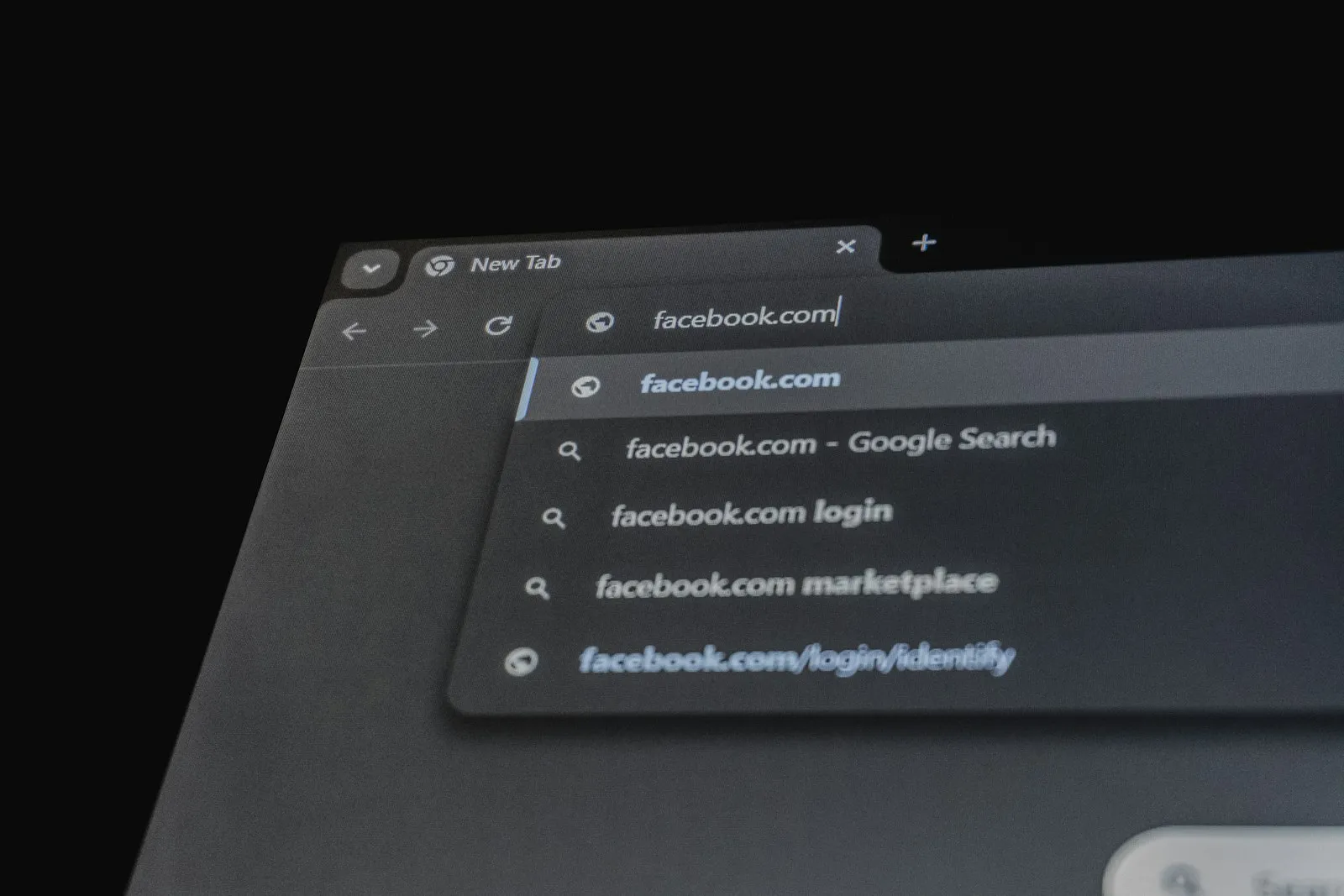
Key takeaways
- Search Engine Roundtable reported the HTTPS bolding test on 4 September 2026, currently visible in Bing's sponsored results only.
- The same outlet reported the site names removal test on 2 September 2026, showing a favicon and URL with breadcrumbs in place of the bolded site name line.
- Both tests were first spotted by Sachin Patel and neither has been confirmed as a full or permanent rollout by Microsoft.
- Microsoft has trialed other HTTPS indicators before, including lock icons, so bolding the protocol text is a variation on a recurring theme rather than a first attempt.
- Google ran a comparable site name removal test in its own results in May 2025, making the Bing test a parallel experiment rather than a copy of the same test.
Microsoft is testing two changes to how Bing displays result snippets, reported by Search Engine Roundtable within days of each other in September 2026: bolding the https portion of the URL, and removing the site name line so a favicon and URL with breadcrumbs stand alone. Both were spotted by Sachin Patel. Neither has a confirmed rollout date or a statement from Microsoft.
What the HTTPS bolding test does
Search Engine Roundtable reported on 4 September 2026 that Bing is bolding just the https segment of the displayed URL in search results, leaving the rest of the URL in normal weight. The treatment had only been observed in sponsored results at the time of reporting; the outlet said it could not reproduce the same bolding in organic listings, so whether it extends there is unverified.
This is not Microsoft’s first attempt at flagging secure connections in the results page. The company has previously tried other HTTPS indicators, including lock icons next to the URL, before arriving at this bolded-text version. Treat it as another entry in that ongoing experimentation rather than a settled design.
What the site names removal test does
Two days earlier, on 2 September 2026, Search Engine Roundtable reported a separate Bing test that removes the site name from the snippet entirely. In its place, the result shows a favicon followed by the site’s URL and breadcrumb path, with no separate bolded site-name line above it. The report included before-and-after screenshots showing the change against Bing’s standard snippet layout.
How it compares to Google’s test
Search Engine Roundtable’s report on the site name change notes that Google tried something similar about a year earlier: in May 2025, Google removed website names from some results and showed the URL instead. Bing’s September 2026 test follows the same idea on its own SERP, but it is a separate experiment run independently by Microsoft, not a continuation of Google’s test or evidence the two companies are coordinating.
Why we care
Neither test has a confirmed rollout, and Microsoft has not published anything explaining either one. What both share is a shift in where trust signals sit in a snippet: HTTPS bolding pulls attention toward the URL’s security marker, and site name removal pulls attention away from the brand label a site has spent years building recognition for and puts weight on the raw URL and favicon instead. If either ships broadly, sites that rely on a distinctive site name to stand out in results lose that line, and clean, recognizable domains and favicons become a bigger part of how a result reads at a glance.
The evidence
- Type
- industry
- Impact
- low
- Affects
- SERP display, snippet layout, brand visibility
Sources
- 1.Bing Bolds HTTPS In The URLs Of The Search Results - Search Engine Roundtable, September 4, 2026Primary
- 2.Bing Tests Search Snippets Without Site Names - Search Engine Roundtable, September 2, 2026Primary
Frequently asked questions
Are the HTTPS bolding and site name removal the same Bing test?
No. Search Engine Roundtable reported them as two separate experiments two days apart in September 2026, one bolding the https segment of the URL and the other removing the site name line from snippets. Nothing published ties them to a single feature.
Does the HTTPS bolding test appear in organic results?
As reported on 4 September 2026, it had only been observed in Bing's sponsored results. The reporting outlet noted it could not replicate the treatment in organic listings.
Is this the same as Google's site name test?
It is a parallel, not a repeat. Google tested removing site names from some results in May 2025, showing the URL instead. Bing's September 2026 test does the same thing on its own results but is a separate experiment run by a different company.
About the author

Founder
Founder, UpgradIQ, Inc.
Adam Hafez works on technical SEO and search measurement: how pages get crawled, indexed, ranked and now quoted by answer engines. He founded UpgradIQ, which reads Google Search Console and GA4 to tie ranking movement back to the changes that caused it. He publishes what the data supports and states the limits of it.
- Technical SEO
- Search Console and GA4 measurement
- Answer engine optimization
- Structured data
Related reading

Bing now asks some searchers to verify they are human
Search Engine Roundtable reports Bing showing a verify-you-are-human checkbox before results. The trigger is unknown and the check was not reproduced.
Google Search profiles get new article cards and a lower bar
Google cut the follower requirement for Search profiles to 10,000, added richer article views, and lets one account manage up to 10 profiles.
Google Analytics rolls out drag-and-drop custom dashboards
GA4 Dashboards let you drag dimensions and metrics onto a grid canvas, combining six chart types into one KPI page instead of separate reports.

Search Central Live returns to India for a Bengaluru date in October
Google's Search Central team holds a free, one-day Search Central Live event in Bengaluru on October 30, 2026, its first India event since 2023.